How to choose a packaging machine manufacturer in China: a 12-point checklist
Short answer
Choose a manufacturer that tests your own product on the machine before you order, shows you the factory and the people who will build it, writes a detailed specification and itemised quotation, runs a factory acceptance test on your product, supplies English controls, manuals and spare-parts lists, and states lead time, payment terms, warranty and after-sales support in writing.
Key takeaways
- Ask for a filmed test on your own product before you pay anything.
- Compare quotations line by line — specification, options, change parts and spares — not just the total.
- Insist on a factory acceptance test on your product, in person or by live video.
- Get lead time, payment terms, warranty and support in writing before you order.
1. Confirm they build the machine themselves
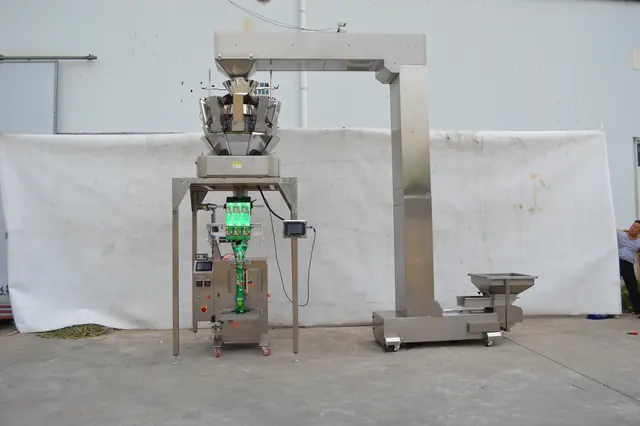
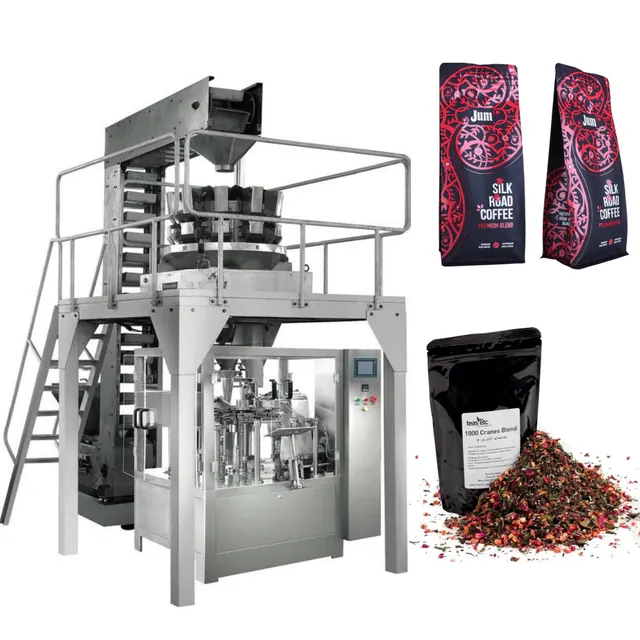
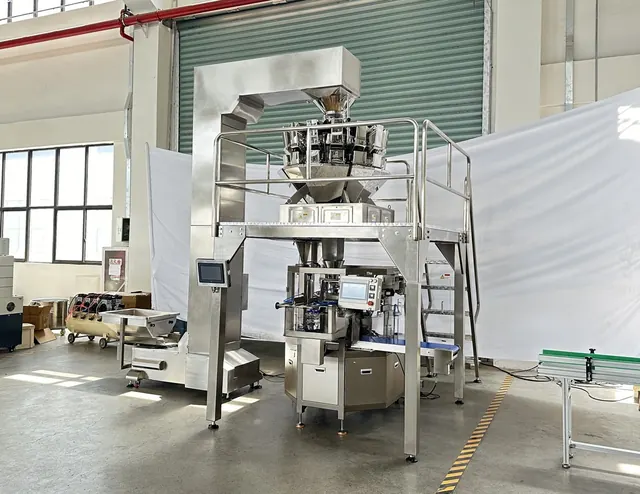
Many sellers of packaging machinery are trading companies. That is not always a problem, but you should know who designs, assembles and wires the machine, because that is who will solve problems later. Ask for a live video walk-through of the assembly hall, the machine type you are buying under construction, and the engineers who will commission it. A manufacturer can show all three on short notice.
2. Test on your own product before you order
Catalogue speeds and accuracies are measured on easy products. Sticky sauces, dusty powders, fragile snacks and foaming liquids behave differently. Send product and packaging samples and ask for a filmed test that shows the fill weight or volume, the seal and the speed. A supplier that will not test your product is guessing.
3. Check that the dosing system matches your product
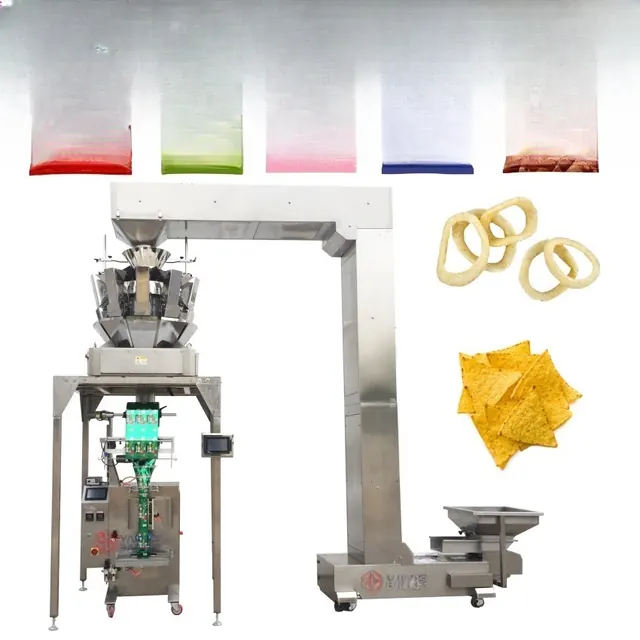
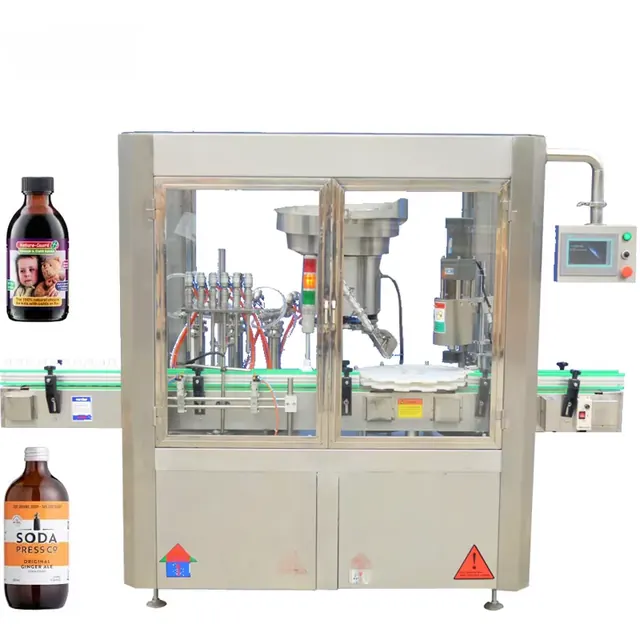
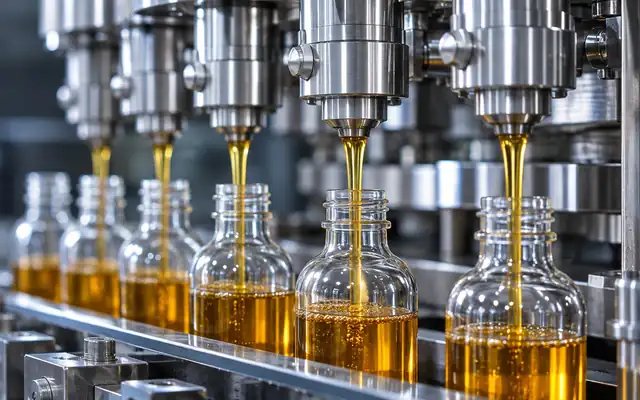
The dosing device decides accuracy and giveaway. Liquids need piston, peristaltic, gravity or overflow fillers; powders need augers; irregular pieces need multihead weighers; free-flowing granules can use volumetric cups. If a supplier offers one system for everything, ask why. Our guides on liquid filling and powder and granule dosing explain the trade-offs.
4. Look at materials and hygiene
Ask which parts touch the product and what they are made of. For food, beverage, cosmetics and pharma, product-contact parts are normally SS316 or food-grade plastics, with SS304 frames, food-grade seals and tubing and surfaces that can be washed down. Ask for photos of welds and of the dosing parts disassembled for cleaning.
5. Ask which control components are used
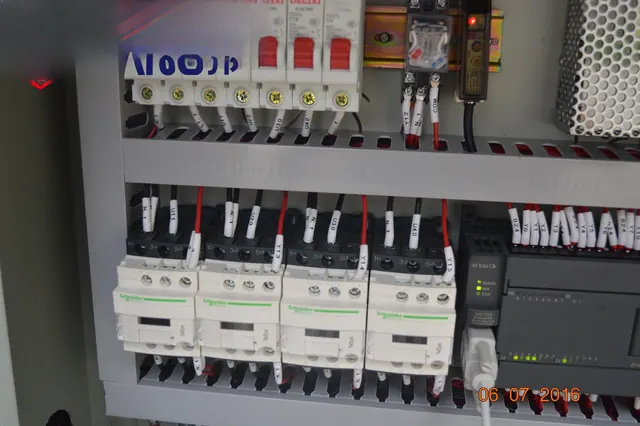
The brand of PLC, touch-screen, servo drives and pneumatics affects reliability and how easily you can buy spares locally. Ask for the component list in the quotation, the HMI language, whether product recipes can be stored, and whether the machine is wired to your voltage and frequency (for example 380 V 50 Hz or 220 V 60 Hz).
6. Compare quotations line by line
Two quotations with the same headline price can describe very different machines. Put them side by side and compare:
| Item | What to check |
|---|---|
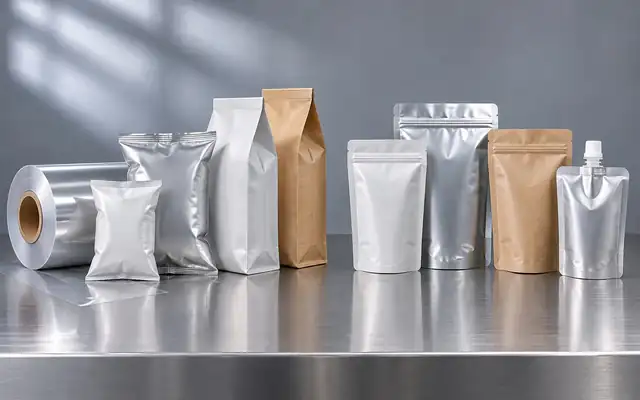
| Specification | Speed on your product, fill range, accuracy, film or container sizes |
| Options | Each option priced separately: date coder, nitrogen, check-weigher, metal detector |
| Change parts | Included for every container or bag size you run |
| Spare parts | Wear parts supplied with the machine and a priced spare-parts list |
| Documents | English manual, electrical drawings, parts list, declarations your market requires |
| Commercial terms | Trade terms (FOB, CIF), lead time, payment terms, warranty period and what it covers |
7. Plan for the whole line, not one machine
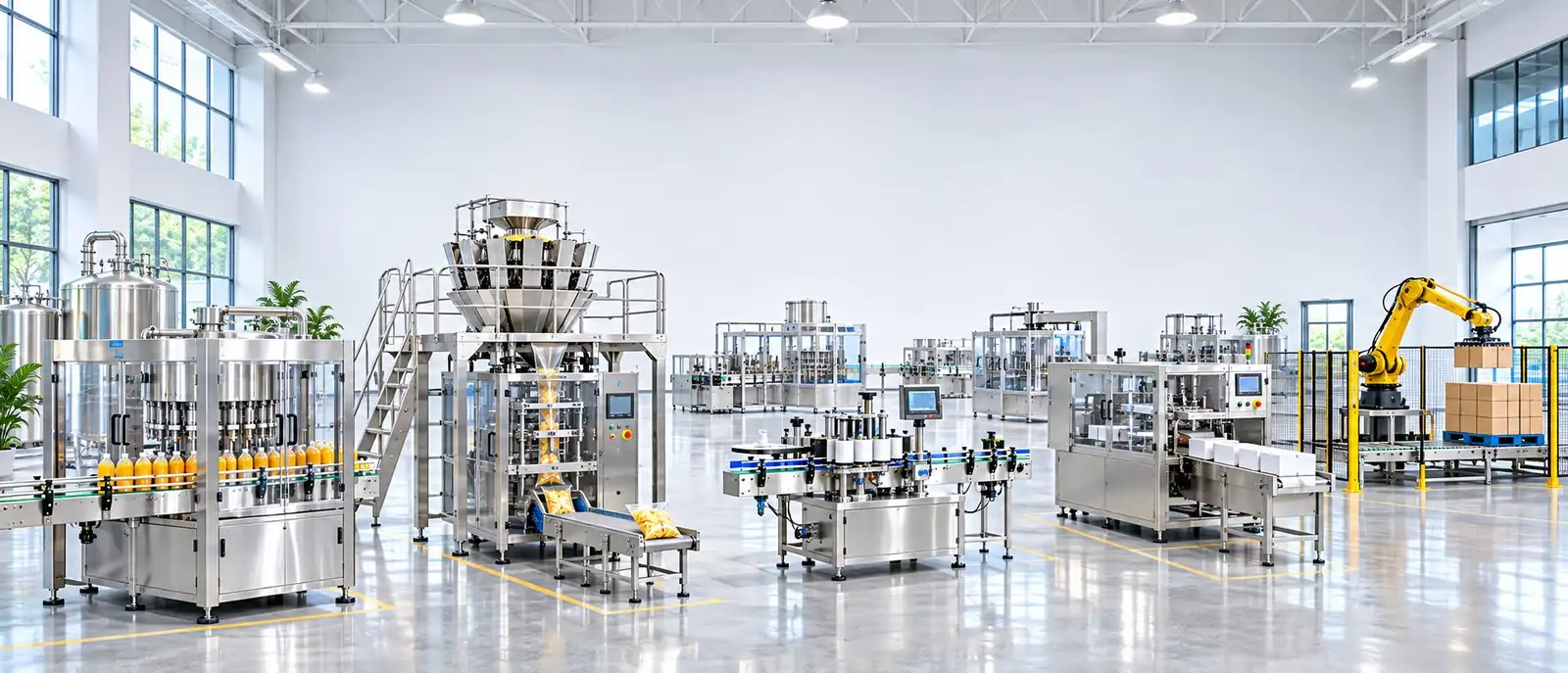
If the machine will feed a labeler, case packer or palletizer, someone has to match speeds, conveyor heights and signals. A supplier that can build or integrate the upstream and downstream machines removes that risk. See how we approach this in planning a complete bottle filling line.
8. Insist on a factory acceptance test
Before the machine is packed, it should run on your product, at your speed, with your packaging, for long enough to prove stability. Attend in person or by live video, and agree the test criteria in advance. Our FAT checklist lists what to check.
9. Check documents and compliance for your market
Ask early which declarations, certificates and electrical standards your country requires, and get the supplier to confirm in the quotation that the machine and documents will meet them. Ask to see certificate numbers and verify them with the issuing body.
10. Agree export packing and shipping
Machines should be cleaned, film-wrapped and packed in fumigated or heat-treated export wooden cases for sea freight. Agree the trade terms (FOB, CIF or delivered to your port), who books the freight and who handles insurance.
11. Get installation, training and support in writing
Ask how commissioning works: video-call support, on-site installation, operator training, and the response time for faults. Ask how spare parts are shipped and how quickly. Check the warranty period and what it covers.
12. Agree clear payment terms
Payment terms should be written in the quotation and linked to milestones such as order confirmation and successful factory acceptance. Pay only to the company account named on the contract, and confirm bank details by phone before transferring.
Questions to send every supplier
- Can you test our product and send a video before we order?
- Who builds the machine, and can we see it under construction?
- Which PLC, HMI and servo brands do you use?
- What change parts and spare parts are included?
- What is the lead time, and what are the payment terms?
- Will you run a factory acceptance test on our product?
- What warranty and after-sales support do you provide?
You can send these questions to us too. See our prices, lead times and payment terms, learn who we are, or request a quotation.
FAQ
How do I know if a Chinese packaging machine supplier is a real manufacturer?
Ask for a live video tour of the assembly hall, your machine type under construction and the engineers who will commission it, and check the company registration on the contract matches the bank account you pay.
Should I pay for a sample test?
Many manufacturers test samples free of charge before an order. You usually pay to ship the samples to the factory.
What should a packaging machine quotation include?
The specification on your product, itemised options, change parts for every size, spare parts, documents, trade terms, lead time, payment terms and warranty.
Can a factory acceptance test be done remotely?
Yes. A live video FAT works well if the test criteria are agreed in advance and the camera can show the dosing, sealing, speed and finished packs.